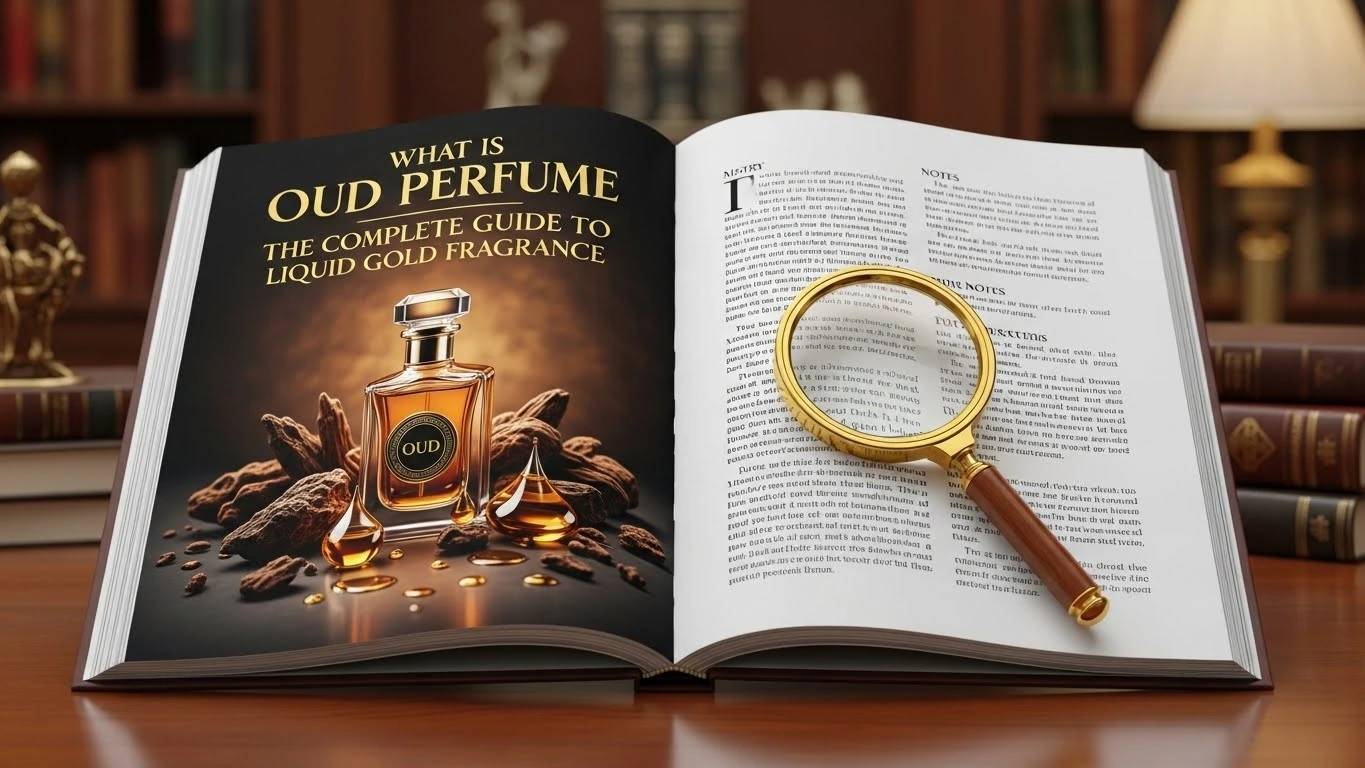
Your wallet feels lighter after buying designer fragrances that fade within hours. Oud perfume offers a solution with its powerful, long-lasting aroma that clings to skin for 8-12 hours. This rare resinous wood from Southeast Asia has captivated royalty for 3,000 years.
What Makes Oud Perfume Different From Regular Fragrances
Oud comes from the Aquilaria tree’s infected heartwood. When fungi attack these trees, they produce a dark, fragrant resin as a defense mechanism. According to the International Fragrance Association, only 2% of Aquilaria trees naturally develop this precious resin, making authentic oud one of the world’s most expensive raw materials.
The perfume industry values oud at $30,000-$80,000 per kilogram for top-quality grades. This price exceeds gold’s market value by weight. The scent profile combines woody, smoky, and animalic notes that create depth impossible to replicate with synthetic ingredients. Unlike alcohol-heavy Western perfumes, traditional oud applications use oil-based formulations that last significantly longer on skin.
The Science Behind Oud Formation and Extraction
Aquilaria trees grow across India, Cambodia, Thailand, Vietnam, Malaysia, and Indonesia. Healthy trees contain light-colored wood with minimal scent. The transformation begins when Phialophora parasitica or similar fungi penetrate the bark through wounds. The United States Department of Agriculture documents that infected trees trigger an immune response, secreting resinous compounds into the heartwood over 5-20 years.
This infection process creates complex aromatic molecules including sesquiterpenes and chromones. The resin-saturated wood turns dark brown or black, developing its characteristic fragrance profile. Harvesters carefully extract infected sections, leaving healthy portions intact for continued growth. Modern sustainable farms now cultivate and intentionally inoculate trees to meet global demand without depleting wild populations.
Steam distillation represents the primary extraction method for oud oil. Workers chip infected wood into small pieces and soak them in water for several days. The mixture then undergoes steam distillation for 24-72 hours, producing a thick, viscous oil. A single kilogram of oud oil requires approximately 70 kilograms of infected wood, explaining the substantial cost.
Different Types of Oud Used in Perfumery
Hindi Oud
Indian oud delivers intense, animalic characteristics with leathery undertones. Perfumers prize Hindi oud from Assam for its bold, almost barn-like opening that softens into warm, resinous sweetness. This variety works exceptionally well in eau de parfum concentrations where its strength won’t overwhelm wearers.
Cambodian Oud
Cambodia produces oud with fruity, sweet profiles containing honey and plum notes. Cambodian varieties smell cleaner and more approachable than their Indian counterparts. The Convention on International Trade in Endangered Species (CITES) regulates Cambodian oud exports to prevent overharvesting of wild Aquilaria crassna trees.
Malaysian and Indonesian Oud
These Southeast Asian varieties offer balanced profiles between sweet and animalic extremes. Malaysian oud provides green, herbal facets alongside traditional woody notes. Indonesian oud from Papua delivers smoky, incense-like qualities that blend smoothly with floral and spicy ingredients in complex compositions.
How Perfumers Use Oud in Modern Fragrances
Luxury brands incorporate oud into their signature scents differently than traditional Middle Eastern attars. Western perfumes typically blend 2-5% oud oil with complementary notes. Rose, saffron, amber, sandalwood, and patchouli frequently accompany oud in designer fragrance formulations. These combinations soften oud’s intensity while maintaining its distinctive character.
Tom Ford revolutionized Western oud perfumes in 2007 with “Oud Wood,” introducing mainstream audiences to this ingredient. The fragrance industry has since released over 500 oud-containing perfumes across all price ranges. Synthetic oud molecules now provide affordable alternatives, though connoisseurs detect significant differences from natural extractions.
Middle Eastern perfumers create concentrated oil-based attars containing 20-40% pure oud. These traditional formulations develop differently on skin compared to alcohol-based eau de toilette sprays. The oil vehicle carries fragrance molecules deeper into skin layers, extending wear time up to 24 hours with proper application techniques.
Health Benefits and Aromatherapy Properties
Research published in the Journal of Essential Oil Research indicates oud contains compounds with antibacterial and anti-inflammatory properties. Traditional Ayurvedic and Chinese medicine systems have used agarwood for treating digestive issues, respiratory problems, and nervous system disorders for centuries.
Modern aromatherapy practitioners incorporate oud for stress reduction and meditation enhancement. The scent’s grounding qualities help many users feel centered and calm. However, individuals with sensitive skin should patch-test oud products before full application, as concentrated natural oud may cause irritation in some people.
The National Institutes of Health notes that oud smoke has been studied for potential neuroprotective effects, though more human trials are needed. The aromatic compounds interact with olfactory receptors in ways that may influence mood and cognitive function through the limbic system.
Why Oud Perfumes Cost More Than Other Fragrances
Natural oud’s scarcity drives premium pricing across the perfume market. Wild agarwood populations have declined by 80% over the past 150 years due to overharvesting. The World Conservation Union lists several Aquilaria species as critically endangered, restricting legal harvest and trade.
Cultivation addresses sustainability but requires significant time investment. Farmers wait 8-10 years before trees reach harvestable maturity. Even then, successful resin formation isn’t guaranteed without proper inoculation techniques. These factors combine to maintain oud’s position as one of perfumery’s most valuable ingredients.
Labor-intensive extraction processes add to final product costs. Traditional distillation methods require skilled artisans monitoring temperature and pressure for days. Quality control involves organoleptic testing by experienced noses who can detect adulteration or inferior grades. Premium oud perfumes using 100% natural extractions typically retail between $200-$500 for 50ml bottles.
How to Identify Authentic Oud in Perfumes
Genuine oud delivers complex, evolving scent profiles that change over several hours. The opening notes often smell sharp, medicinal, or slightly funky before settling into warm woodiness. Synthetic oud alternatives typically present one-dimensional woody-smoky accords that remain static throughout wear time.
Check ingredient lists for “oud oil,” “agarwood oil,” or “Aquilaria species” rather than vague “oud accord” or “oud notes” descriptions. Reputable brands provide transparency about natural versus synthetic components. Price serves as another indicator, as perfumes containing significant natural oud rarely retail under $150 for standard sizes.
Physical properties also reveal authenticity. Natural oud oil appears dark brown to black with thick, syrupy consistency. When diluted in perfumes, it creates subtle color changes in the liquid. The scent should develop gradually on skin, revealing different facets after 30 minutes, 2 hours, and 6 hours of wear.
Best Ways to Wear and Apply Oud Perfumes
Apply oud-based fragrances to pulse points where body heat amplifies scent projection. The wrists, neck, behind ears, and inner elbows work effectively. For oil-based oud attars, use rolling or dabbing motions rather than rubbing, which can break down fragrance molecules and alter the scent profile.
Start with minimal application, as oud’s intensity builds throughout the day. One or two small dabs often suffice for all-day wear. Layering oud with complementary body products extends longevity further. Many Middle Eastern brands offer matching oud-scented soaps, lotions, and incense for complete sensory experiences.
Store oud perfumes in cool, dark places away from direct sunlight and temperature fluctuations. The International Organization for Standardization recommends keeping fragrances at 15-20°C (59-68°F) for optimal preservation. Properly stored oud perfumes maintain quality for 3-5 years, with natural formulations sometimes improving with age like fine wine.
Conclusion
Oud perfume represents more than trendy fragrance marketing. This ancient ingredient carries thousands of years of cultural significance while offering practical benefits like exceptional longevity and distinctive character. Whether you choose affordable synthetic blends or invest in pure natural extractions, understanding oud’s origins and properties helps you make informed purchasing decisions. The next time you encounter this “liquid gold” at perfume counters, you’ll appreciate the complex journey from infected trees to your skin. Experience authentic oud through reputable brands that prioritize sustainability and transparency in their sourcing practices.