That expensive bottle sitting on your dresser might already be past its prime. Perfume does expire, typically lasting between three to five years from opening, though proper storage can extend this timeline significantly. Understanding fragrance degradation helps you protect your investment and avoid skin reactions from spoiled scents.
What Makes Perfume Expire Over Time
Perfume contains volatile organic compounds that break down when exposed to specific environmental factors. The International Fragrance Association (IFRA) states that fragrance stability depends on chemical composition and storage conditions. Oxidation represents the primary cause of perfume deterioration, occurring when oxygen molecules interact with fragrance oils and alcohol content.
The U.S. Food and Drug Administration classifies perfumes as cosmetics, which means manufacturers aren’t required to print expiration dates on bottles. However, this doesn’t mean fragrances last forever. Natural ingredients degrade faster than synthetic compounds, making perfumes with essential oils more susceptible to spoilage. A 2019 study published by the Journal of Cosmetic Science found that citrus-based fragrances deteriorate 40% faster than woody or oriental scents.
Temperature fluctuations accelerate chemical breakdown in perfume formulations. The American Chemical Society explains that heat increases molecular movement, causing fragrance molecules to separate and lose their intended composition. Light exposure, particularly ultraviolet rays, triggers photochemical reactions that alter scent profiles and reduce longevity.
How Long Different Perfume Types Actually Last
Eau de Parfum (EDP) typically lasts longer than other concentrations due to its higher fragrance oil content of 15-20%. These formulations contain less alcohol, which means fewer evaporation issues over time. Most EDPs remain stable for four to five years when stored correctly. The concentrated oils act as natural preservatives, slowing down the oxidation process.
Eau de Toilette (EDT) concentrations contain 5-15% fragrance oils and more alcohol content. This composition makes them more volatile and prone to faster evaporation. EDTs generally maintain quality for three to four years after opening. The higher alcohol percentage means more interaction with air molecules, speeding up degradation.
Parfum or Pure Perfume represents the most concentrated form at 20-30% fragrance oils. Despite containing the least alcohol, these formulations can last five to seven years because the dense oil content resists oxidation better. Research from the International Journal of Cosmetic Science demonstrates that parfum concentrations show the slowest rate of molecular breakdown.
Cologne or Eau de Cologne has the shortest shelf life at two to three years. With only 2-4% fragrance concentration and high alcohol content, colognes evaporate quickly and lose scent integrity faster than other types. The light formulation offers less protection against environmental factors.
Natural and organic perfumes expire faster than synthetic alternatives. A study by the British Journal of Dermatology found that natural fragrances containing plant extracts and essential oils deteriorate within 18-24 months. These ingredients lack the chemical stabilizers found in conventional perfumes, making them more vulnerable to bacterial growth and oxidation.
Clear Signs Your Perfume Has Gone Bad
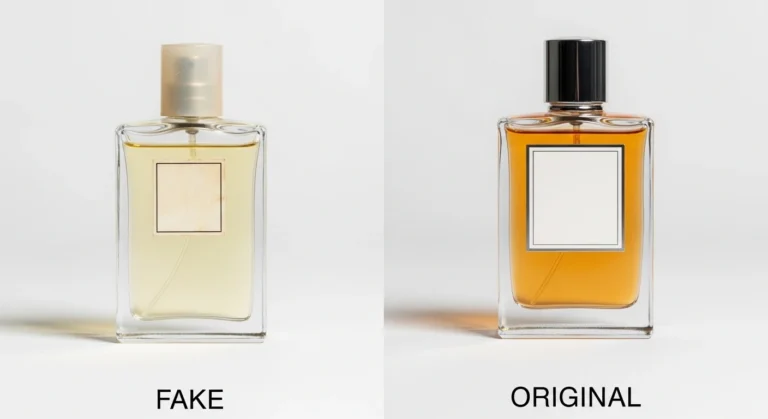
Color changes serve as the most obvious indicator of expired perfume. Fresh fragrances typically appear clear or slightly amber. When perfume oxidizes, it darkens noticeably, sometimes developing a murky or cloudy appearance. This visual shift signals that chemical bonds have broken down and the scent composition has changed.
Scent alteration represents another reliable warning sign. Your perfume might smell sour, metallic, or like vinegar when it expires. According to fragrance chemists at the Sense of Smell Institute, oxidized perfumes develop sharp, unpleasant notes that overwhelm the original fragrance profile. If your favorite scent smells completely different from when you first bought it, degradation has occurred.
Reduced longevity indicates your perfume has lost potency. A fragrance that once lasted eight hours but now fades within two hours has likely expired. The volatile compounds responsible for scent projection break down over time, diminishing the perfume’s ability to project and last on skin.
Changes in consistency can signal expiration. Fresh perfume should be liquid and flow easily. Expired fragrances might become thicker, develop sediment at the bottom, or show separation between oil and alcohol components. These physical changes confirm that the formula has destabilized.
Skin reactions from expired perfume include redness, itching, or burning sensations. The American Academy of Dermatology warns that degraded fragrances contain oxidized compounds that irritate skin more than fresh products. If your perfume suddenly causes discomfort, stop using it immediately.
Scientific Factors That Speed Up Perfume Degradation
Temperature extremes damage perfume molecules rapidly. The optimal storage temperature ranges from 55-70°F (13-21°C), according to the National Institute of Standards and Technology. Bathrooms represent the worst storage location because humidity and heat from showers create an unstable environment that accelerates breakdown.
Light exposure, especially direct sunlight, causes photodegradation. UV radiation breaks chemical bonds in fragrance molecules, altering their structure and scent. Research published in Photochemistry and Photobiology shows that perfumes stored in clear glass bottles under light deteriorate three times faster than those in opaque containers.
Air exposure introduces oxygen that reacts with fragrance compounds. Each time you open a perfume bottle, you allow air inside that begins the oxidation process. Partially empty bottles oxidize faster because they contain more air space. The Journal of Agricultural and Food Chemistry explains that oxygen exposure causes aldehydes and alcohols in perfumes to convert into acids, creating off-putting odors.
Humidity levels above 60% encourage bacterial and fungal growth in perfume bottles. The Centers for Disease Control and Prevention states that moisture can contaminate fragrances, especially those containing natural ingredients. High humidity also affects the seal quality of bottle caps, allowing more air exchange.
Bottle material influences longevity significantly. Dark glass bottles protect contents from light damage better than clear glass or plastic containers. The Glass Packaging Institute reports that amber or cobalt blue glass blocks up to 90% of harmful UV rays, extending perfume life considerably.
Proven Methods to Extend Your Perfume’s Lifespan
Store in cool, dark places away from windows and heat sources. A closet shelf or drawer maintains stable temperatures and blocks light exposure. The Fragrance Foundation recommends keeping perfumes in their original boxes for added protection against environmental factors.
Keep bottles tightly sealed when not in use. Replace caps immediately after application to minimize air exposure. Ensure the atomizer or stopper fits securely without gaps that allow oxygen inside. This simple habit can extend perfume life by months or even years.
Avoid bathroom storage despite its convenience. Humidity and temperature fluctuations from showers damage fragrances quickly. Instead, choose a bedroom dresser or closet away from moisture sources. The Environmental Protection Agency confirms that consistent, dry environments preserve cosmetic products best.
Consider refrigeration for long-term storage, especially for natural perfumes. Some fragrance experts recommend storing unopened bottles in the refrigerator at temperatures around 50°F (10°C). However, avoid freezing, which can damage the chemical composition. Bring refrigerated perfumes to room temperature before applying to prevent condensation issues.
Transfer to smaller bottles as you use perfume to reduce air space. Decanting into 5-10ml atomizers keeps the main bottle sealed longer. Use dark glass containers specifically designed for fragrances to prevent contamination. This method works particularly well for expensive perfumes you want to preserve.
Apply with clean hands or spray directly on skin without touching the nozzle. Bacteria from fingers can contaminate perfume, especially when people touch the bottle opening. The World Health Organization emphasizes that proper hygiene prevents microbial growth in cosmetic products.
Does the Expiration Period Start at Purchase or Opening
The expiration timeline begins when you open the bottle, not at the purchase date. Sealed perfumes remain stable much longer than opened ones because they haven’t been exposed to air. The Personal Care Products Council explains that airtight seals prevent oxidation, keeping fragrances fresh for years or even decades if stored properly.
Unopened perfumes can last 10-15 years or more when stored correctly. Vintage perfume collectors often have bottles from the 1960s and 1970s that still smell exceptional. The key factor is maintaining the original seal integrity and storing bottles in stable conditions. However, once you break that seal, the clock starts ticking on the three-to-five-year lifespan.
The PAO symbol (Period After Opening) appears on some perfume packaging, showing a small jar icon with a number indicating months of safe use after opening. While not mandatory in all countries, this symbol provides manufacturer guidance on optimal freshness periods. The European Commission’s Scientific Committee on Consumer Safety establishes these standards based on stability testing.
What to Do with Expired Perfume Instead of Wasting It
Use as room freshener by spraying on curtains, linens, or closet interiors. Expired perfume still releases pleasant aromas in spaces even if unsuitable for skin application. This method lets you enjoy remaining fragrance without risking skin irritation.
Create scented sachets by spraying expired perfume on cotton balls or fabric squares. Place these in drawers, luggage, or storage boxes to keep belongings smelling fresh. The fragrance oils will slowly release over time, providing subtle scenting.
Freshen vacuum cleaner by spraying perfume on a cotton ball and vacuuming it up. This technique leaves rooms smelling pleasant after cleaning. The heat from the vacuum helps disperse the scent throughout your space.
Scent stationary and cards with a light spritz of expired perfume. This adds a personal touch to letters and notes without direct skin contact concerns. Many people enjoy receiving correspondence with subtle fragrance.
Dispose properly if perfume has severely degraded. Pour liquid down the drain with running water rather than throwing glass bottles in regular trash. Recycle glass containers after thorough rinsing. The Environmental Protection Agency provides guidelines for cosmetic disposal that prevent environmental contamination.
Frequently Asked Questions About Perfume Expiration
Can expired perfume make you sick? Yes, using severely degraded perfume can cause allergic reactions, skin irritation, or respiratory issues. The Mayo Clinic warns that oxidized fragrance compounds become more allergenic over time, increasing sensitivity risks.
Do expensive perfumes last longer? Generally yes, because luxury brands often use higher quality ingredients and better packaging. Premium perfumes typically contain more stable synthetic molecules and protective bottles that extend shelf life beyond budget alternatives.
Should you buy vintage perfume? Vintage fragrances can be excellent if properly stored and sealed. However, verify the seller’s storage conditions and inspect bottles carefully for signs of degradation before purchasing. Reputable vintage perfume dealers provide authenticity guarantees and condition reports.
Does perfume expire if never opened? Sealed perfumes remain stable for many years but don’t last forever. Even unopened bottles gradually degrade due to temperature fluctuations and light exposure over decades. However, they outlast opened bottles significantly.
Your perfume collection deserves proper care to maintain quality and prevent waste. Store bottles correctly, watch for expiration signs, and enjoy fragrances at their peak performance. Understanding these preservation principles helps you make informed decisions about when to use, keep, or replace perfumes in your collection.