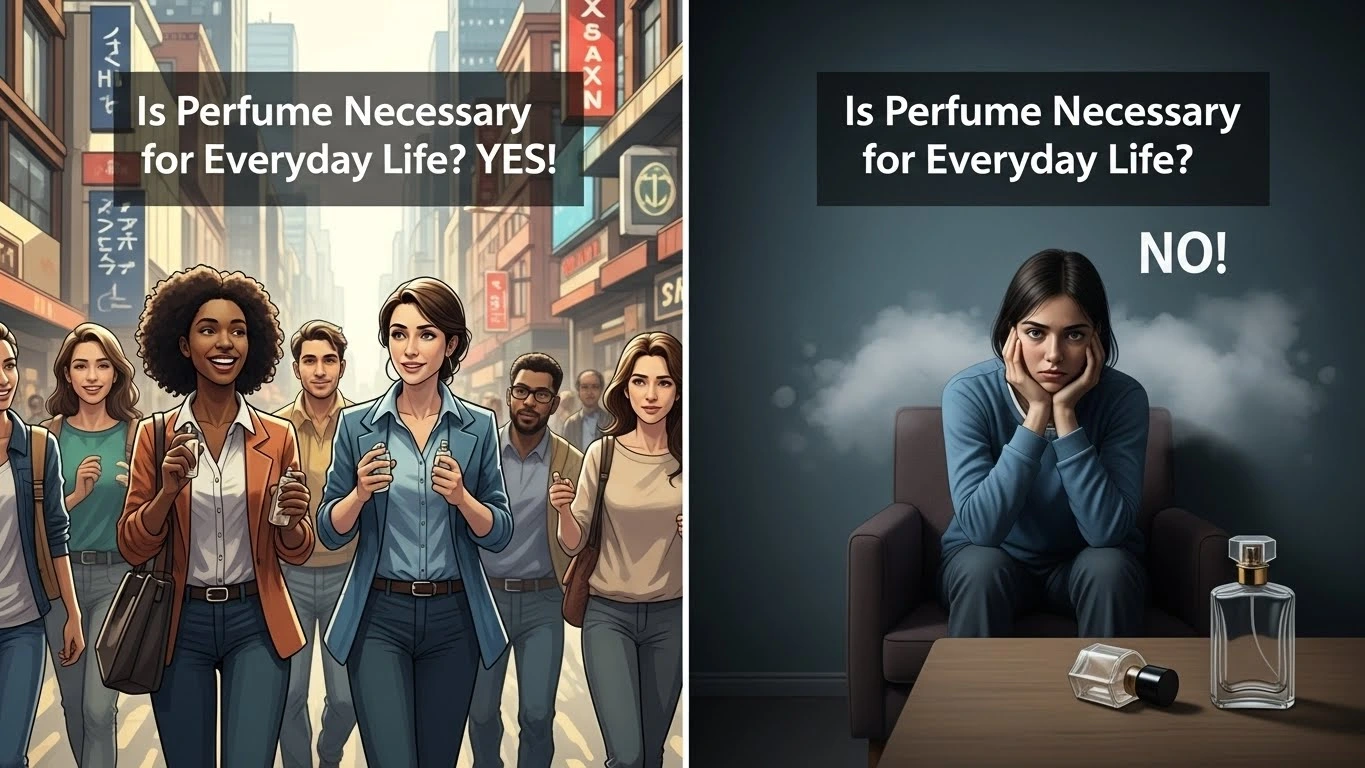
Many people wonder if buying and wearing perfume is worth the investment. The global fragrance market reached $52.4 billion in 2023, yet millions still question whether they actually need perfume in their daily routine. The answer depends on personal hygiene habits, lifestyle choices, workplace requirements, and individual body chemistry rather than following what society expects.
Understanding What Perfume Actually Does
Perfume serves multiple functions beyond simply making someone smell pleasant. The primary purpose involves masking natural body odor while creating a personal signature scent that others remember.
Core Functions of Fragrance:
Human skin naturally produces oils and sweat that create unique body odors. Perfume works by adding aromatic compounds that override these natural smells. Research from the International Fragrance Association shows that fragrances contain between 30 to 80 different ingredients that work together to produce specific scents.
The three main components include top notes (last 15-30 minutes), middle notes (last 2-4 hours), and base notes (last 5-8 hours). This structure means quality perfumes provide longer-lasting effects than simple body sprays or colognes.
Studies from the Monell Chemical Senses Center reveal that humans can distinguish over one trillion different scents. This ability makes fragrance a powerful tool for creating memorable impressions during social interactions, job interviews, and professional meetings.
The Connection Between Perfume and Personal Hygiene
Many people confuse perfume with basic hygiene products, but these serve different purposes entirely.
Deodorant vs. Perfume:
Deodorant prevents bacterial growth that causes underarm odor. It contains antimicrobial agents like aluminum compounds or natural alternatives such as baking soda. According to the American Academy of Dermatology, deodorants work by reducing bacteria populations on skin surfaces.
Perfume does not prevent sweating or kill odor-causing bacteria. Instead, it adds pleasant scents on top of existing body chemistry. Using perfume without proper hygiene creates unpleasant smell combinations that others notice immediately.
A 2022 survey by the Hygiene Council found that 68% of people consider daily bathing essential, while only 41% view perfume as necessary. This data suggests that basic cleanliness matters more than artificial fragrances for most individuals.
Daily Hygiene Essentials:
Regular showers remove dirt, sweat, and dead skin cells that cause body odor. Using antibacterial soap on high-sweat areas like underarms, feet, and groin prevents bacterial buildup throughout the day.
Clean clothes matter significantly because fabric traps odor-causing bacteria. Wearing the same shirt two days straight creates stronger body odor than skipping perfume after a fresh shower.
Professional and Workplace Considerations
Different work environments have varying expectations regarding fragrance use.
Office and Corporate Settings:
Many companies implement fragrance-free policies to accommodate employees with chemical sensitivities or allergies. The Job Accommodation Network reports that approximately 12.6% of American workers experience fragrance sensitivity that affects their job performance.
Professional dress codes rarely require perfume specifically. Instead, they emphasize clean, well-groomed appearances. A LinkedIn survey of 2,000 hiring managers showed that 89% value good hygiene over wearing expensive fragrances during interviews.
Industries Where Fragrance Matters:
Certain professions benefit from strategic perfume use. Hospitality workers, sales representatives, and customer service roles involve close interactions where pleasant scents create positive impressions.
The retail fragrance industry employs specialists called “perfumers” or “noses” who require extensive training. These professionals undergo 7-10 years of education to develop expertise in scent composition and application.
Healthcare settings typically prohibit strong fragrances because patients often experience nausea or headaches from chemical smells. The American Nurses Association recommends fragrance-free policies in hospitals and clinics.
Health Impacts and Safety Concerns
Perfume ingredients raise legitimate health questions that deserve honest answers.
Chemical Composition:
Traditional perfumes contain synthetic chemicals including phthalates, parabens, and synthetic musks. The Environmental Working Group tested 17 popular fragrances and found an average of 14 undisclosed chemicals per product.
These hidden ingredients can trigger allergic reactions, respiratory issues, and skin irritation in sensitive individuals. Research published in the Journal of Environmental Health showed that 34% of Americans report adverse health effects from fragranced products.
Allergy and Sensitivity Statistics:
According to the American Academy of Allergy, Asthma & Immunology, fragrance allergies affect approximately 2.5 million people in the United States. Common symptoms include headaches, difficulty breathing, skin rashes, and sinus congestion.
Contact dermatitis from perfume affects 1-3% of the general population. This condition causes red, itchy skin wherever fragrance touches the body directly.
Safer Alternatives:
Natural essential oils provide fragrance without synthetic chemicals. Products containing lavender, peppermint, eucalyptus, or citrus oils offer pleasant scents with fewer health risks.
Fragrance-free products eliminate exposure to potentially harmful chemicals entirely. Many dermatologists recommend these options for people with sensitive skin or existing allergies.
Cultural and Social Perspectives on Fragrance
Different cultures view perfume necessity through unique lenses shaped by tradition and religion.
Global Fragrance Traditions:
Middle Eastern cultures have used perfume for over 4,000 years. The Arabian Peninsula produces frankincense and myrrh, two historically significant fragrances mentioned in ancient religious texts.
French perfume culture dates back to the 16th century when Catherine de Medici brought Italian perfumers to France. Today, France produces 40% of the world’s luxury fragrances, with Grasse serving as the perfume capital.
Religious Viewpoints:
Islamic tradition encourages using pleasant scents, particularly for Friday prayers and special occasions. Prophet Muhammad reportedly said that perfume brings happiness and should be worn regularly.
Some Christian denominations avoid strong fragrances during worship services to prevent distractions. Buddhist practices often incorporate incense rather than personal perfumes during meditation and ceremonies.
Hindu traditions use natural fragrances like sandalwood and rose water during religious rituals. These scents hold spiritual significance beyond simple pleasant smells.
Practical Alternatives to Traditional Perfume
People seeking fragrance options have numerous choices beyond expensive designer perfumes.
Natural Scent Options:
Body mists contain lower fragrance concentrations (1-3%) compared to perfumes (15-40%). These lighter options cost less and work well for casual daily wear.
Essential oil rollers allow precise application without overwhelming nearby people. Popular choices include vanilla, jasmine, bergamot, and sandalwood oils that provide subtle, natural scents.
Scented body lotions serve dual purposes by moisturizing skin while adding light fragrance. Many dermatologists recommend this approach for people with dry skin who want subtle scents.
Fragrance-Free Living:
Approximately 15% of Americans choose completely fragrance-free lifestyles. This decision often stems from health concerns, environmental awareness, or personal preference.
Unscented laundry detergents, shampoos, and soaps allow natural body chemistry to shine through without artificial additives. The natural human scent contains pheromones that play roles in attraction and social bonding.
When Perfume Makes Sense
Specific situations genuinely benefit from appropriate fragrance use.
Special Occasions:
Weddings, formal dinners, and important celebrations often call for signature scents that create lasting memories. The olfactory system connects directly to memory centers in the brain, making scents powerful memory triggers.
Date nights benefit from subtle, attractive fragrances that enhance romantic atmospheres. Studies from the Smell and Taste Research Foundation show that certain scents increase attraction between partners.
Building Personal Confidence:
Psychology research reveals that wearing pleasant fragrances increases self-confidence and positive self-perception. A study in the International Journal of Cosmetic Science found that 90% of participants felt more confident when wearing their favorite scent.
This confidence boost stems from both personal satisfaction and positive feedback from others who notice the pleasant smell.
Making Your Decision
Determining whether perfume is necessary requires honest self-assessment about several factors.
Questions to Consider:
Does your job require close contact with clients or customers? Professional settings with frequent interactions benefit more from appropriate fragrance use than isolated work environments.
Do you maintain excellent daily hygiene through regular showers and clean clothes? People with strong hygiene habits need perfume less than those seeking to mask body odor issues.
Can you afford quality fragrances without financial stress? Budget priorities matter significantly when deciding whether to invest $50-$200 in perfume bottles.
Does anyone in your household or workplace have fragrance sensitivities? Respecting others’ health needs outweighs personal desires to wear strong scents.
The Bottom Line:
Perfume is not necessary for most people who practice good hygiene and wear clean clothes daily. However, it serves as an optional enhancement that provides confidence, creates positive impressions, and adds personal expression to daily life.
The fragrance industry thrives on marketing that suggests perfume is essential, but the reality shows that billions of people live perfectly acceptable lives without wearing any fragrance products. Your decision should reflect personal values, health considerations, lifestyle needs, and budget constraints rather than social pressure or advertising messages.
Quality of life does not depend on smelling like expensive designer fragrances. Instead, it comes from feeling comfortable in your own skin, maintaining good health practices, and making choices that align with your authentic self.