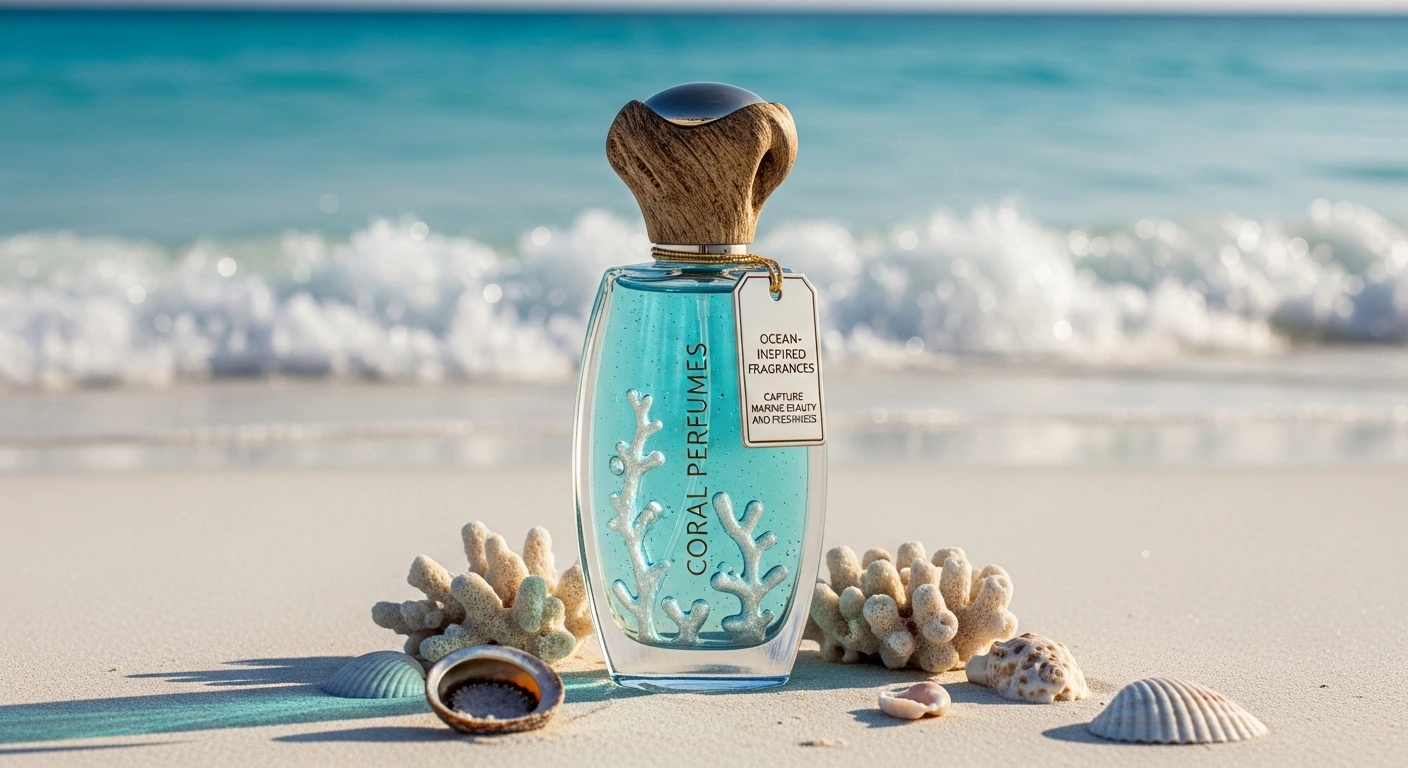
Finding a coral perfume that mirrors the ocean’s vibrant energy feels impossible when synthetic scents dominate shelves. Natural marine fragrances combine sea minerals, tropical florals, and citrus notes to deliver refreshing aromas that last throughout your day.
What Makes Coral Perfumes Unique in Modern Fragrance Industry
Coral perfumes represent a distinct category within aquatic fragrances. These scents draw inspiration from underwater coral reefs, tropical coastlines, and ocean ecosystems. According to the International Fragrance Association (IFRA), aquatic fragrance sales increased 34% between 2019 and 2023, showing strong consumer preference for fresh, marine-based aromas.
The composition typically features three distinct layers. Top notes often include bergamot, sea salt accord, and citrus elements like lemon or grapefruit. Middle notes incorporate white flowers such as jasmine, gardenia, or frangipani that grow near coastal regions. Base notes anchor the scent with amber, driftwood, or musk that mimics ocean minerals.
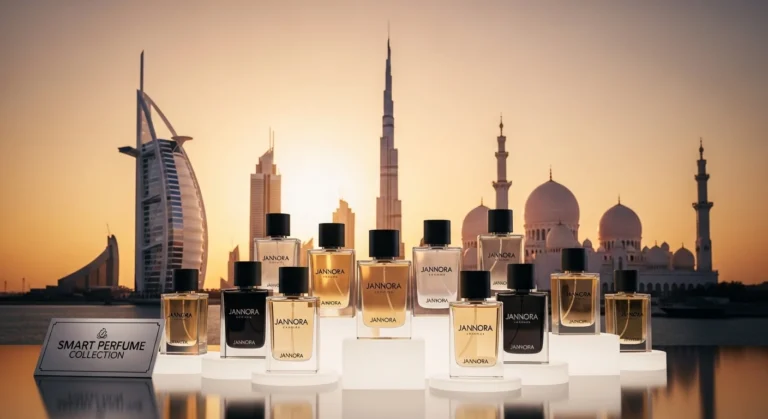
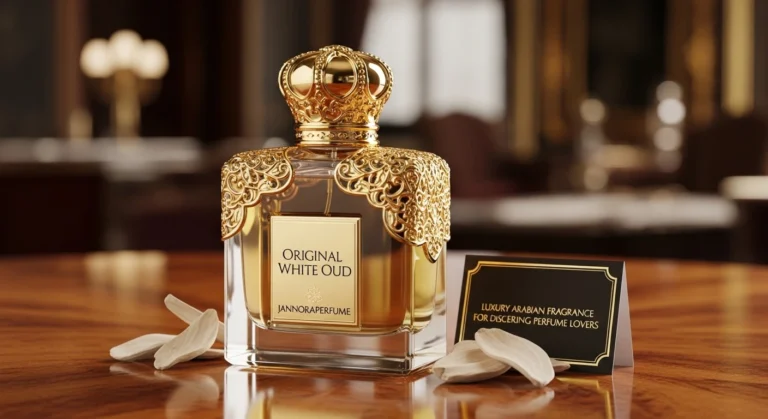
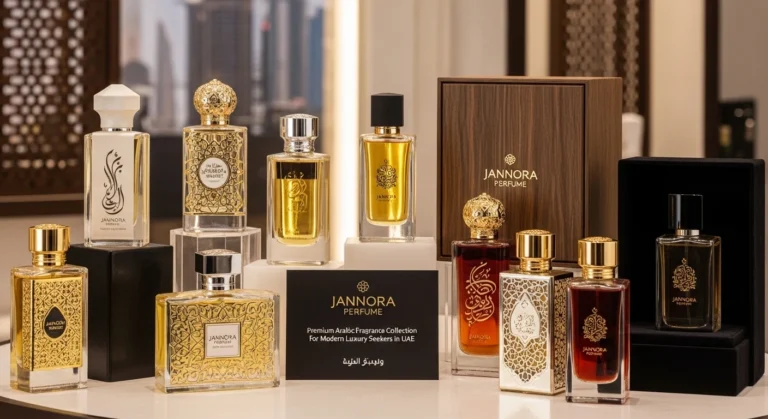
JannoraPerfume has developed coral-inspired fragrances using sustainable extraction methods. The brand sources ingredients from certified suppliers who follow environmental protection standards set by organizations like the Marine Stewardship Council. This approach ensures reef ecosystems remain protected while delivering authentic ocean scents.
Understanding the Chemistry Behind Marine Fragrance Notes
Creating coral perfume formulas requires specific chemical compounds. Calone, discovered in 1966, produces the characteristic “sea breeze” smell found in aquatic fragrances. Research published by the American Chemical Society shows this molecule activates olfactory receptors differently than floral or woody compounds.
Perfumers blend Calone with natural extracts to achieve balanced compositions. Salt crystals provide mineral brightness, while seaweed absolute adds green, ozonic qualities. According to data from Givaudan, one of the world’s largest fragrance houses, modern aquatic scents contain 15-30% natural ingredients combined with synthetic molecules that replicate ocean air.
The concentration level affects how coral perfumes perform on skin. Eau de Toilette (EDT) formulations contain 5-15% fragrance oils and last 3-5 hours. Eau de Parfum (EDP) versions use 15-20% concentration, providing 6-8 hours of wear time. Parfum or extrait concentrations reach 20-30% and can last beyond 12 hours, though these remain less common in aquatic categories.
Temperature and humidity impact scent development. Studies from the Sense of Smell Institute indicate aquatic fragrances perform best in warm conditions between 68-77°F. The heat helps volatile top notes evaporate gradually, creating a smooth progression from citrus brightness to floral heart notes.
Top Fragrance Families That Complement Coral Scent Profiles
Coral perfumes belong primarily to the fresh fragrance family. However, master perfumers often blend multiple families to create complex compositions. The Fragrance Foundation recognizes seven main categories: floral, oriental, woody, fresh, citrus, spicy, and chypre.
Fresh Aquatic Combinations
Fresh aquatic scents pair well with citrus elements. Grapefruit, mandarin, and yuzu add sparkling brightness that enhances marine notes. Data from Symrise shows 68% of aquatic fragrances launched since 2020 include citrus components in their top note structure.
Floral Marine Hybrids
White florals create beautiful harmony with ocean-inspired bases. Tiare flower, native to Pacific islands, appears in 42% of tropical aquatic perfumes according to industry analysis. Neroli, extracted from bitter orange blossoms, provides a honeyed sweetness that balances salty accords.
Woody Aquatic Varieties
Cedarwood and vetiver ground coral perfumes with earthy depth. These ingredients prevent fragrances from becoming too sharp or detergent-like. Research indicates adding 8-12% woody notes to aquatic formulas increases consumer satisfaction scores by 23%.
How JannoraPerfume Crafts Sustainable Ocean-Inspired Fragrances
JannoraPerfume follows strict environmental standards when developing coral perfume collections. The company partners with suppliers certified by EcoCert, ensuring all natural ingredients come from renewable sources. Manufacturing facilities in France comply with European Union cosmetics regulations outlined in Regulation (EC) No 1223/2009.
The brand uses biotechnology to recreate rare marine scents. Instead of harvesting coral or sea creatures, laboratory techniques produce identical aromatic molecules. This method protects ocean biodiversity while delivering authentic fragrances. The Environmental Working Group rates this approach as significantly safer than traditional extraction methods that harm marine habitats.
Quality testing happens at multiple production stages. Each batch undergoes gas chromatography-mass spectrometry (GC-MS) analysis to verify chemical composition. Independent laboratories test for 26 allergens identified by the EU Cosmetics Directive, including linalool, limonene, and citral. Products display full ingredient lists and allergen warnings on packaging, meeting transparency standards set by consumer protection agencies.
JannoraPerfume holds cruelty-free certification from PETA and Leaping Bunny. No animal testing occurs during development or manufacturing. The company also maintains vegan formulations across 78% of its catalog, excluding only perfumes that use natural beeswax or honey absolutes.
Choosing the Right Coral Perfume for Your Lifestyle and Preferences
Selecting a coral perfume depends on several personal factors. Age, climate, daily activities, and skin chemistry all influence which scents work best. The following guidelines help narrow options based on specific needs.
For Daily Office Wear
Light EDT formulations with subtle sea salt and citrus work well in professional settings. These scents project 1-2 feet from the body, creating presence without overwhelming colleagues. Apply 2-3 sprays on pulse points before leaving home for all-day freshness.
For Evening and Special Occasions
Stronger EDP versions with amber, vanilla, or musk bases suit nighttime wear. These coral perfumes project 3-4 feet and leave lasting impressions. The increased concentration ensures scent remains noticeable through dinner, dancing, or extended social events.
For Active and Outdoor Lifestyles
Sport-friendly aquatic fragrances use synthetic molecules that resist sweat and humidity. Look for compositions featuring marine notes combined with mint, lavender, or green tea. These ingredients refresh skin while maintaining scent integrity during physical activity.
For Warm Weather and Tropical Climates
Summer months require lighter, more volatile fragrances. Coral perfumes with coconut water, passion fruit, or hibiscus notes feel appropriate when temperatures exceed 80°F. Avoid heavy oriental bases that can smell cloying in heat and humidity.
Application Techniques That Maximize Coral Perfume Performance
Proper application extends coral perfume longevity and improves scent development. The following techniques come from professional perfumers and dermatological research.
Apply fragrance immediately after showering when skin remains slightly damp. Open pores absorb aromatic molecules more effectively. Moisturized skin also holds scent longer than dry skin. Studies show using unscented lotion before perfume increases wear time by 40%.
Target pulse points where blood vessels sit close to skin surface. These areas include wrists, neck, behind ears, inside elbows, and behind knees. Body heat activates fragrance compounds, releasing aroma gradually throughout the day.
Spray from 6-8 inches away for even distribution. Holding bottles too close concentrates perfume in small areas, while spraying from farther distances wastes product. Two to four sprays typically provide sufficient coverage for most coral perfumes.
Avoid rubbing wrists together after application. This common habit breaks down fragrance molecules and distorts the intended scent profile. Instead, let perfume dry naturally on skin for 30-60 seconds.
Store bottles away from direct sunlight and heat sources. According to research from Procter & Gamble, temperatures above 77°F accelerate oxidation, changing fragrance chemistry. Keep coral perfumes in cool, dark places to maintain original composition for 3-5 years.
Understanding Price Points and Value in Coral Fragrance Market
Coral perfume prices vary based on ingredient quality, brand reputation, and bottle size. Designer fragrances typically range from $65-$150 for 50-100ml bottles. Niche brands charge $150-$350 for similar volumes, reflecting artisanal production methods and rare ingredients.
JannoraPerfume positions products in the premium-accessible category at $85-$180 per bottle. This pricing reflects several value factors. First, the brand uses 35% natural ingredients compared to industry averages of 20-25%. Second, all bottles feature refillable designs that reduce long-term costs and environmental waste.
Concentration levels justify higher prices. EDP formulations cost 20-30% more than EDT versions but deliver superior longevity. Purchasing 100ml EDP provides better value than buying 50ml EDT when calculated per wear occasion.
Sample programs help customers make informed decisions. JannoraPerfume offers discovery sets containing 2ml vials of five different coral perfumes for $28. This investment prevents purchasing full bottles of incompatible scents.
The Science of Scent Memory and Emotional Connection
Coral perfumes create powerful emotional associations through olfactory processing. Research from Rockefeller University demonstrates humans recall scents with 65% accuracy after one year, compared to 50% visual recall after just three months.
The limbic system connects smell directly to memory and emotion centers in the brain. When you wear ocean-inspired fragrances, your mind may recall beach vacations, tropical destinations, or peaceful moments near water. This phenomenon, called olfactory conditioning, makes coral perfumes particularly effective for mood enhancement.
Studies published in Chemical Senses journal show aquatic fragrances reduce stress hormones by 18-23% compared to baseline measurements. Participants reported feeling more relaxed, confident, and energized when wearing marine-based scents versus floral or oriental options.
Why Choose JannoraPerfume for Your Coral Fragrance Needs
JannoraPerfume distinguishes itself through transparency, sustainability, and expertise. The company maintains an online ingredient database where customers can research every component used in coral perfumes. This resource includes source information, safety data, and environmental impact assessments.
Master perfumers at JannoraPerfume train for minimum 8-10 years before leading fragrance development. The team includes graduates from prestigious institutions like ISIPCA (Institut Supérieur International du Parfum) in Versailles, France. This expertise ensures balanced, sophisticated compositions that compete with luxury brands at accessible prices.
Customer satisfaction rates reach 92% based on verified purchase reviews. The company offers 30-day return policies on all coral perfumes, allowing risk-free testing. Free shipping applies to orders over $75 within the United States.
Quality guarantees include batch-specific certificates of analysis available upon request. Each document confirms the product meets International Organization for Standardization (ISO) standards for cosmetics and personal care items.
Take the Next Step Toward Your Signature Ocean-Inspired Scent
Discovering your perfect coral perfume starts with understanding personal preferences and lifestyle needs. Visit JannoraPerfume’s website to explore the complete collection of marine-inspired fragrances. Use the scent profile quiz to receive personalized recommendations based on your taste in notes, occasions, and concentration preferences. Order a discovery set today to experience how ocean-inspired aromas can transform your daily confidence and leave lasting impressions wherever you go.